About 198 minutes
Ruth Fielding at Golden Pass — Reading Companion
Technology Airships Imagined Futures
45,385 recorded words. 0 minutes difference from this book's estimate.
View Gutenberg source #76206
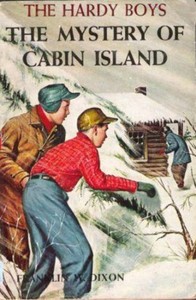
The mystery of Cabin Island — Edition Insights can be approached with a clearer sense of reading commitment from its source measurements: 45,363 words, 3 hr 18 min estimated reading time, and 7 detected text sections.
The text analysis averages about 11.6 words per sentence, while the detected sections provide another way to judge how the source is divided.
Project Gutenberg metadata also associates the work with “Islands -- Juvenile fiction,” connecting these edition facts with the source record’s subject description.
Explore this collection
These alternatives are selected using recorded categories and estimated reading time.
About 198 minutes
Technology Airships Imagined Futures
45,385 recorded words. 0 minutes difference from this book's estimate.
View Gutenberg source #76206About 206 minutes
Technology Airships Imagined Futures
47,272 recorded words. 8 minutes difference from this book's estimate.
View Gutenberg source #76493About 219 minutes
Technology Airships Imagined Futures
50,187 recorded words. 21 minutes difference from this book's estimate.
View Gutenberg source #76172Search stored excerpts and compare books → Choose by your preferences →
Choices use stored catalog measurements. Estimates vary with reading speed. A shared category is a catalog label, not a claim that two books have the same argument or literary quality.
Search reads excerpt text stored with this catalog and links to its associated Gutenberg record. The connection is stored in the site database; this tool does not recheck that every excerpt is word-for-word identical to that external record. Excerpt search does not cover every chapter and does not verify historical publication dates.
Catalog snapshot checked: 2026-09-25. Coverage: 97 public books, 97 available source excerpts.
Read the complete public-domain text at its original source.
Read on Project GutenbergThe first chapter of The Mystery of Cabin Island opens with a tightly paced description of an ice-boat scudding across Barmet Bay. The prose moves quickly, matching the speed of the craft: “Driven by a stiff breeze from the west, a trim little ice-boat went scudding over the frozen surface.” The narrator keeps the scene in motion, using active verbs and a detached, observant tone. Frank Hardy is introduced simply as “a dark, handsome boy of sixteen,” and the focus remains on the physical action rather than interior thought. This brisk, external style dominates the early chapters, establishing a rhythm that prioritizes movement and visual detail over reflection.
The narrator’s voice in the opening chapters is notably lean and sensory. Sentences are short, and the point of view stays close to the boys’ immediate experience. When the ice-boat is described, the language is functional: “the ice-boat was staunch and stoutly built.” There is little figurative ornament; instead, the narrative relies on concrete nouns and verbs to convey speed and cold. This style aligns with the genre’s expectations for a boy’s adventure story, but it also creates a distinct texture—one that feels brisk and unadorned, as if the prose itself is racing the wind.
Around the Christmas dinner scene, the narrative pace changes markedly. The earlier urgency gives way to a slower, more detailed account of the boys’ meal: “the table was loaded high with good things, pickles, potatoes, ‘and all the trimmings.’” The narrator lingers on sensory details—the odor of browned chicken, the steaming pudding—and the dialogue becomes more playful. Chet’s failed fishing attempt, where he hauls up a battered pail instead of a fish, is rendered with comic timing and extended description. This shift in pace is not merely a break in action; it signals a different mode of storytelling, one that values atmosphere and character interaction over plot propulsion.
The narrative voice also uses recurring physical details to structure the mystery. The notebook, the cipher, and the chimney are introduced with the same matter-of-fact tone as the ice-boat. When Frank notes, “the man who lost the notebook didn’t show up to-day,” the line is delivered flatly, without dramatic emphasis. This understatement creates a rhythm where clues appear as ordinary objects, only later gaining significance. The narrator’s restraint in the early chapters—avoiding foreshadowing or heightened language—means that later revelations feel earned rather than telegraphed. The voice remains consistent, even as the stakes rise, grounding the mystery in a world of tangible things.
Readers attentive to narrative craft will notice how the author modulates tempo between action and repose. The ice-boat chapters demand a quick eye; the cabin scenes invite a slower, more patient reading. This alternation is not accidental—it mirrors the boys’ own rhythm of investigation, where bursts of activity are followed by quiet observation. Pay attention to how the narrator handles transitions: a single line, such as “the afternoon they spent quietly,” can signal a gear change. The mystery unfolds as much through these shifts in pace as through the clues themselves.
That old Hardy Boys mystery left me thinking about how silence can feel louder than action, especially around holidays. A quietness lingers there, not unlike what I felt reading When Oriole traveled westward — A Reader’s Guide — that long, unhurried stretch where nothing much happens, yet everything settles deeper into you.
Use these questions to collect your thoughts before moving on.