About 376 minutes
Following heavenward — Context and Discussion
Fantasy Juvenile Worlds
86,394 recorded words. 15 minutes difference from this book's estimate.
View Gutenberg source #75657
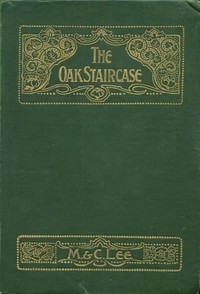
The oak staircase — A Closer Reading can be approached with a clearer sense of reading commitment from its source measurements: 82,906 words, 6 hr 1 min estimated reading time, and 7 detected text sections.
The text analysis averages about 21.3 words per sentence, while the detected sections provide another way to judge how the source is divided.
Project Gutenberg metadata also associates the work with “Siblings -- Juvenile fiction,” connecting these edition facts with the source record’s subject description.
Explore this collection
These alternatives are selected using recorded categories and estimated reading time.
About 376 minutes
Fantasy Juvenile Worlds
86,394 recorded words. 15 minutes difference from this book's estimate.
View Gutenberg source #75657About 343 minutes
Fantasy Juvenile Worlds
78,818 recorded words. 18 minutes difference from this book's estimate.
View Gutenberg source #71146About 410 minutes
Fantasy Juvenile Worlds
94,094 recorded words. 49 minutes difference from this book's estimate.
View Gutenberg source #3653Search stored excerpts and compare books → Choose by your preferences →
Choices use stored catalog measurements. Estimates vary with reading speed. A shared category is a catalog label, not a claim that two books have the same argument or literary quality.
Search reads excerpt text stored with this catalog and links to its associated Gutenberg record. The connection is stored in the site database; this tool does not recheck that every excerpt is word-for-word identical to that external record. Excerpt search does not cover every chapter and does not verify historical publication dates.
Catalog snapshot checked: 2026-09-25. Coverage: 97 public books, 97 available source excerpts.
Read the complete public-domain text at its original source.
Read on Project GutenbergThe novel opens not with the rebellion but with a wet half-holiday in a noisy schoolroom, where Robin Dalrymple declares Mangnall a humbug. This domestic frame—complete with a governess trying to write letters amid chaos—introduces the siblings who will later hear the stories that form the bulk of the book. The authors, M. and C. Lee, explicitly state in their preface that they have combined two unrelated historical episodes: the Maids of Taunton and the marriage of Lord Sunderland’s daughter to the Earl of Clancarty. The excerpts show that the narrative moves between this frame and embedded first-person accounts, such as a maid of honour’s story of arrest and interrogation during Monmouth’s Rebellion.
The excerpts reveal a layered structure. Chapter I presents a contemporary schoolroom scene with Robin, Silvia, and Sydney, but the table of contents lists stories within stories: Lady Greensleeves’ Story, Blue-Coat’s Story, the Maid of Honour’s Story, and Uncle Algernon’s Last Story. The preface confirms that the authors have “ventured to combine” two distinct anecdotes, using them as the basis for the adventures of Lord Desmond and Frances Dalrymple. The embedded narratives appear to be told by different characters, each offering a distinct voice and perspective on the events of 1685.
The longest excerpt is a first-person account of a maid of honour being arrested along with other young women. The interrogator, Master Noakes, presses them about knowing of Monmouth’s plot and sending money through Colonel Dare. The narrator describes the “strange chill of fear” and the “grim, half-amused, half-contemptuous smile” of the man with tablets. This scene aligns with the catalog subject “Monmouth’s Rebellion, 1685” and the “Maids of Taunton” anecdote mentioned in the preface. The dialogue is formal and tense, with Mrs. Fortescue pleading for the girls as “mere babes.”
The prose in the excerpts is marked by specific period-appropriate phrasing: “I crave your Majesty’s pardon with all my heart,” “quoth Master Noakes,” and “Mangnall is a humbug.” The schoolroom chapter uses colloquial banter (“humbug,” “abominable and senseless”), while the historical sections adopt a more formal, anxious tone. The authors vary sentence length, from the rapid “The worst had not come, after all” to the detailed description of the schoolroom clatter. This stylistic range suggests the novel shifts between domestic comedy and historical drama.
Readers should note that the excerpts provide only fragments of the embedded stories; the full novel likely interweaves multiple narrators and timeframes. The preface’s admission of combining two unrelated anecdotes invites attention to how the authors stitch together historical fact and fictional adventure. The oak staircase of the title may be a physical or symbolic link between these layers.
That book about the oaks, the way it held secrets close—like siblings whispering in a lamplit room, it stayed with me long after. There’s something in that quiet, patient telling of trouble that reminds me of the steady, unshowy grip in Baseball Joe, champion of the league — Key Ideas to Explore. Not the plots, but that feeling of being gently held by a story’s calm, unhurried voice.
Build a private reading journal entry for this title.