
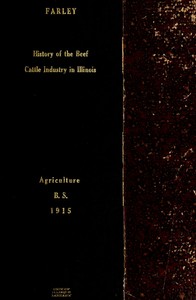
History of the Beef Cattle Industry in Illinois by Frank Webster Farley
So, I picked up this old book, ‘History of the Beef Cattle Industry in Illinois,’ thinking it would be dusty and dry. Boy, was I wrong. This is basically the underdog story of the beef business.
The Story
Farley takes us back to the 1800s, when Illinois was mostly swamp and forest. He shows how the earliest settlers brought cattle—and all their problems. Cows died, markets were nonexistent, and the land was tough. But through smart breeding, better railroads, and a whole lot of neighborhood cooperation, Illinois turned from a wild mess into the state where the American beef industry found its footing. The real drama? Constant fights over shipping prices, feed supply, and new technologies (like corn feeding vs. grass). It’s a series of small victories and big setbacks, told through letters, government reports, and farmers’ diaries.
Why You Should Read It
This isn’t a boring textbook, I promise. Farley tells the story through the people who did the work: the farmer who first fed corn to his cows and made a fortune, the county fairs where breeds showed off their muscles, and the huge Chicago stockyard built by competing families. You can feel the competition and the camaraderie. It made me think about how my own food source started in a sweaty, risky, brilliant way. Plus, there are details that sound like adventure—like driving cattle eighty miles along a rutted trail to a railroad stop. Reading it, I felt connected to the guts behind our grocery shelves.
Final Verdict
This is the perfect book for any history lover, but especially anyone into how food works in the real world—not just recipes. It’s for farmers, economics geeks, crafty people, and anybody who likes seeing an outsider group scrape together an industry from scratch. Honestly, if you even just drive through the prairies and have wondered, ‘Why all these fields of grain and corn?’ this book answers that. And for book nerds who like true American stories told without fluff. I’d say yes—definitely worth a read.
There are no legal restrictions on this material. Distribute this work to help spread literacy.



Jennifer Wilson
10 months agoI found the author's tone to be very professional yet accessible, the logic behind each conclusion is easy to follow and verify. Highly recommended for those seeking credible information.